Ototoxicity Counseling
Navigating a serious medical diagnosis is an incredibly challenging experience, and your primary focus should always be on recovery and healing. When life-preserving treatments result in unexpected changes to your hearing, it is entirely natural to feel overwhelmed.
You can rest assured that seeking professional guidance for your hearing health is a vital, empowering step in your overall medical journey, and with our team at Audiology Associates of DFW, you can request specialized support for the secondary side effects of essential medications.
Ototoxicity refers to the specific capacity of certain therapeutic agents to cause structural damage to the delicate internal mechanisms of your inner ear.
Currently, there are more than 200 known ototoxic medications actively prescribed on the market, ranging from life-saving oncology protocols to aggressive antimicrobial treatments.
When these pharmaceutical formulations accumulate in your system, they can exert toxic effects on the cochlea (the organ of hearing) and the vestibular system (the organ of balance).
You benefit from knowing the specific statistics and risks associated with these treatments so you can work alongside our audiologists to protect your communication health:
Platinum-Based Chemotherapy: These critical cancer treatments account for approximately 500,000 cases of hearing loss globally each year. Between 50% and 55% of individuals receiving these therapies experience a quantifiable reduction in their hearing capabilities.
Aminoglycoside Antibiotics: Often relied upon for severe, drug-resistant infections, aminoglycosides contribute to an estimated 50,000 cases of preventable hearing loss annually.
Co-occurring Symptoms: In addition to primary hearing loss, between 40% and 68% of individuals exposed to ototoxic substances report experiencing persistent tinnitus, while up to 50% experience variable vestibular or balance-related symptoms.
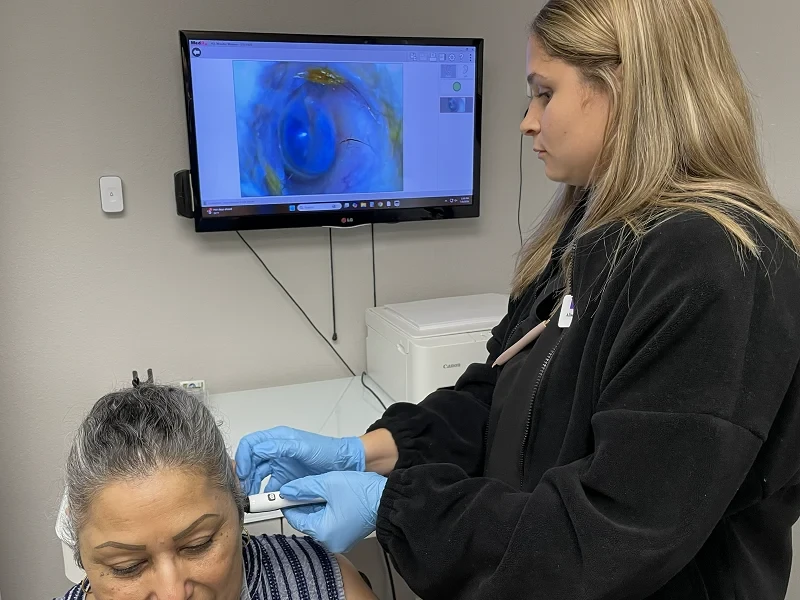
Your auditory clarity is closely linked to your cognitive energy, emotional well-being, and social connectedness. When ototoxic medications impair your inner ear's hair cells, the systemic effects can extend far beyond a change in pure-tone thresholds.
You may experience increased fatigue as your brain works harder to process degraded sound signals, alongside heightened risks for cognitive dysfunction, depression, and localized deterioration of your residual hearing.
For younger individuals, the consequences can be particularly impactful, often influencing academic progression, developmental milestones, and social transitions.
Despite these documented vulnerabilities, conventional audiologic assessments are performed at baseline only 24% to 39% of the time, during active treatment a mere 4% of the time, and post-treatment between 5% and 26% of the time.
You can break this cycle by engaging in an active, structured ototoxic monitoring program designed specifically around your treatment timeline.
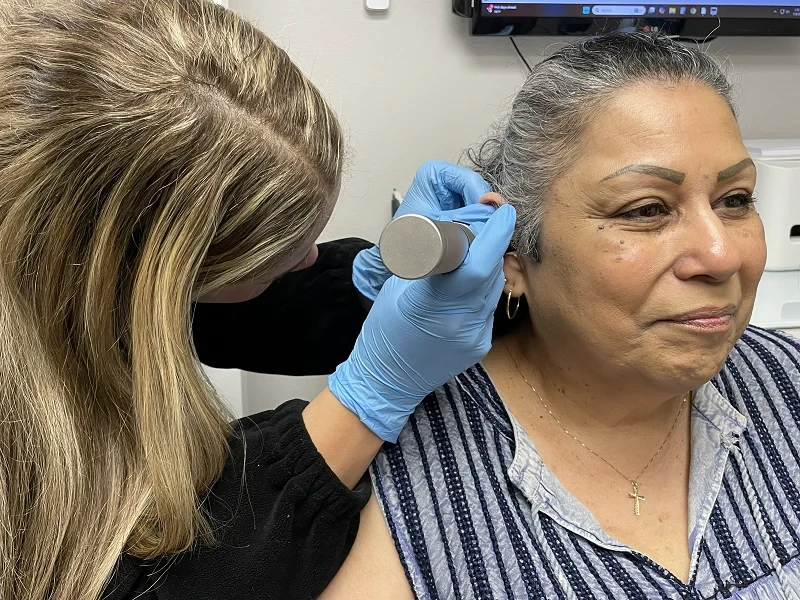
Why do life-saving medications specifically target the hair cells of the inner ear, and can this cellular damage be reversed once treatment concludes?
Certain therapeutic compounds, such as cisplatin or aminoglycosides, have a biochemical affinity for the highly metabolic tissues of your inner ear. As these medications clear your bloodstream, they accumulate inside the cochlear fluids, generating reactive oxygen species that damage the delicate sensory hair cells. Because human inner-ear hair cells do not naturally regenerate, the resulting hearing deficits are typically permanent. However, through precise monitoring, your care team can identify these shifts early enough to potentially modify your drug dosages or introduce protective strategies before the damage spreads to frequencies critical for speech.
How does an extended high-frequency audiogram protect my daily communication when I can currently hear normal speech perfectly fine?
If my medical team determines that my ototoxic medication cannot be adjusted or discontinued, what is the practical purpose of ongoing ototoxicity counseling?
What is the connection between ototoxic medications and the development of severe tinnitus or debilitating balance vertigo?
How does a history of environmental noise exposure interact with ototoxic medications, and what precautions should be prioritized?
